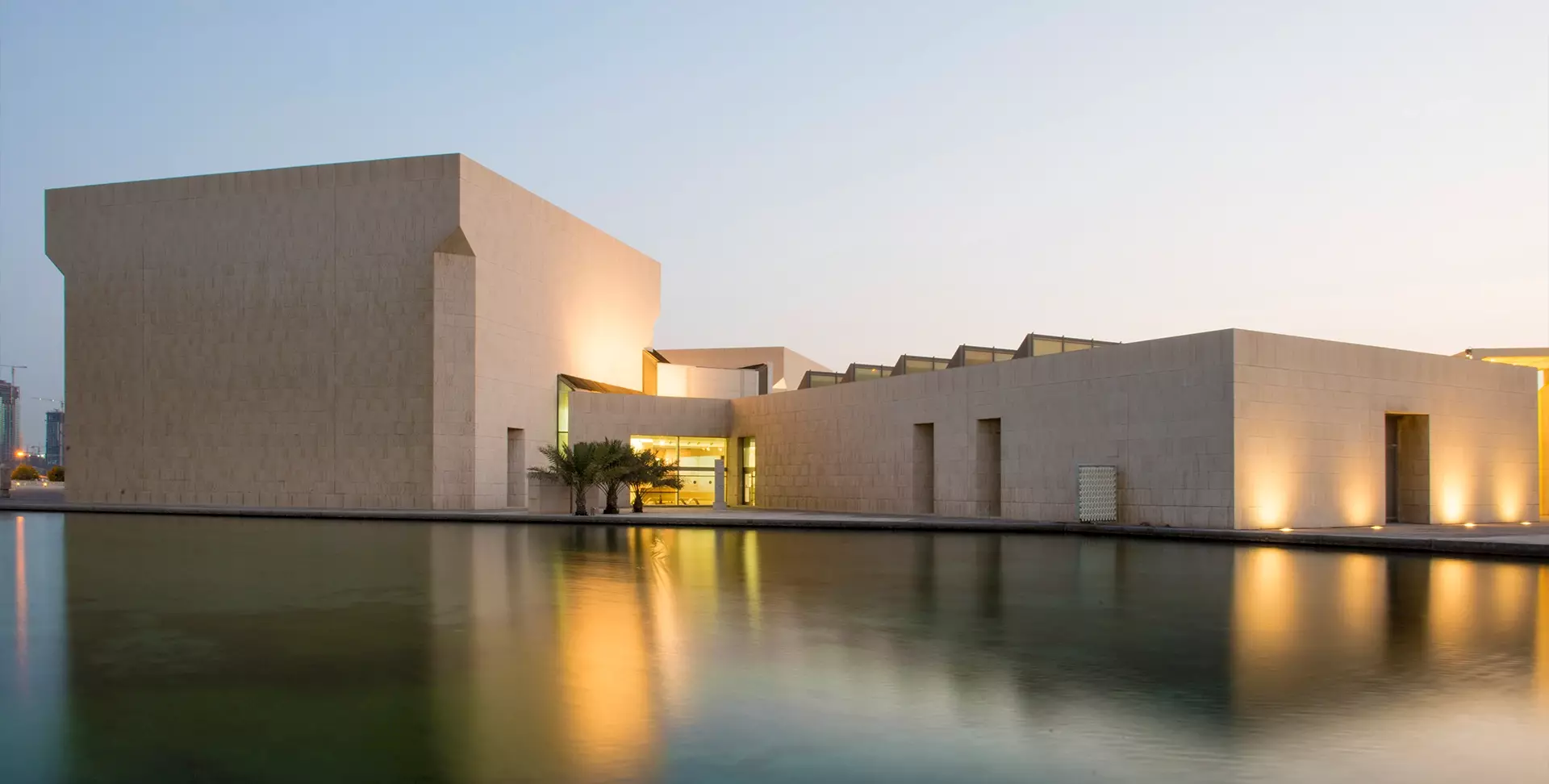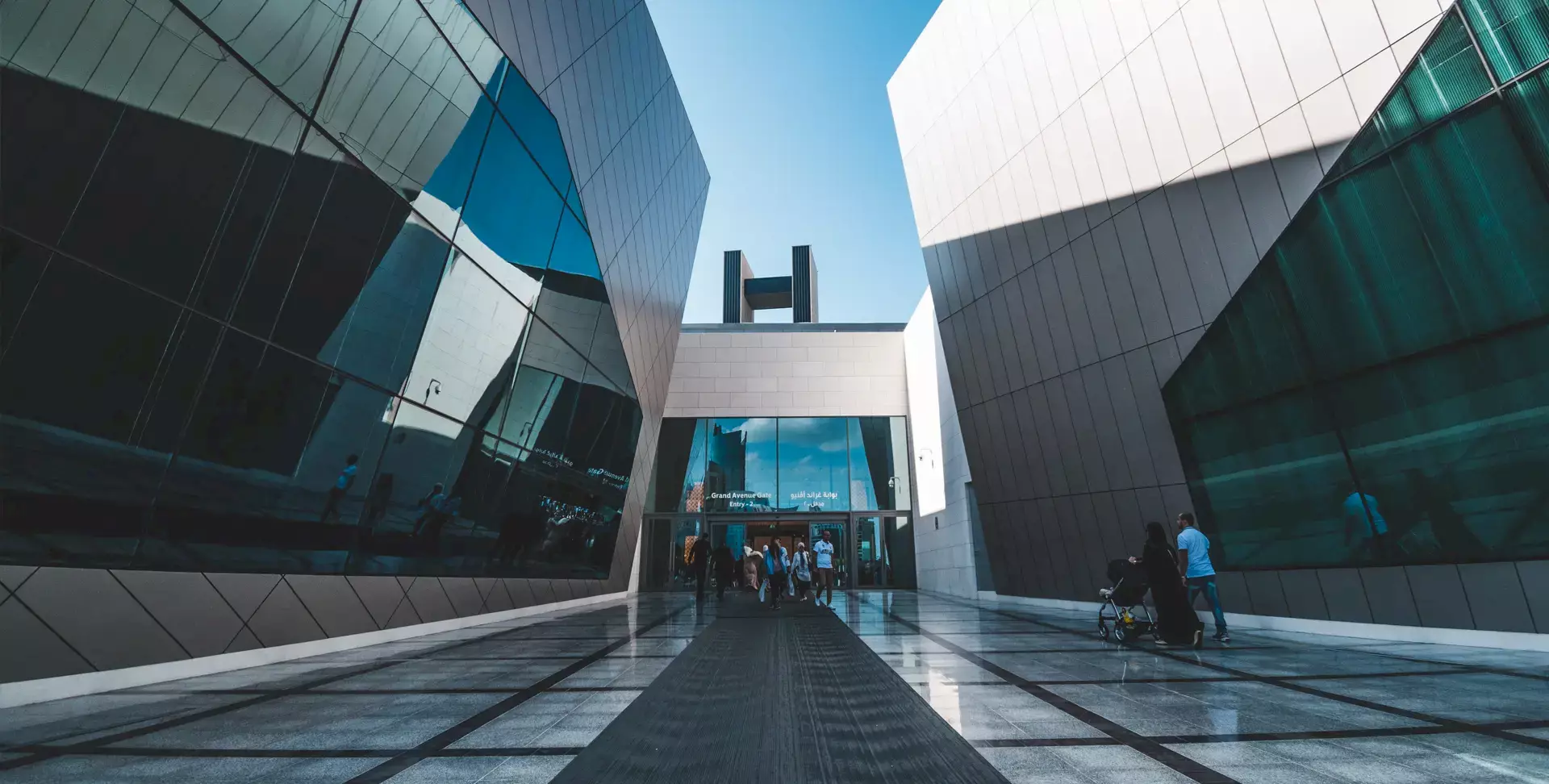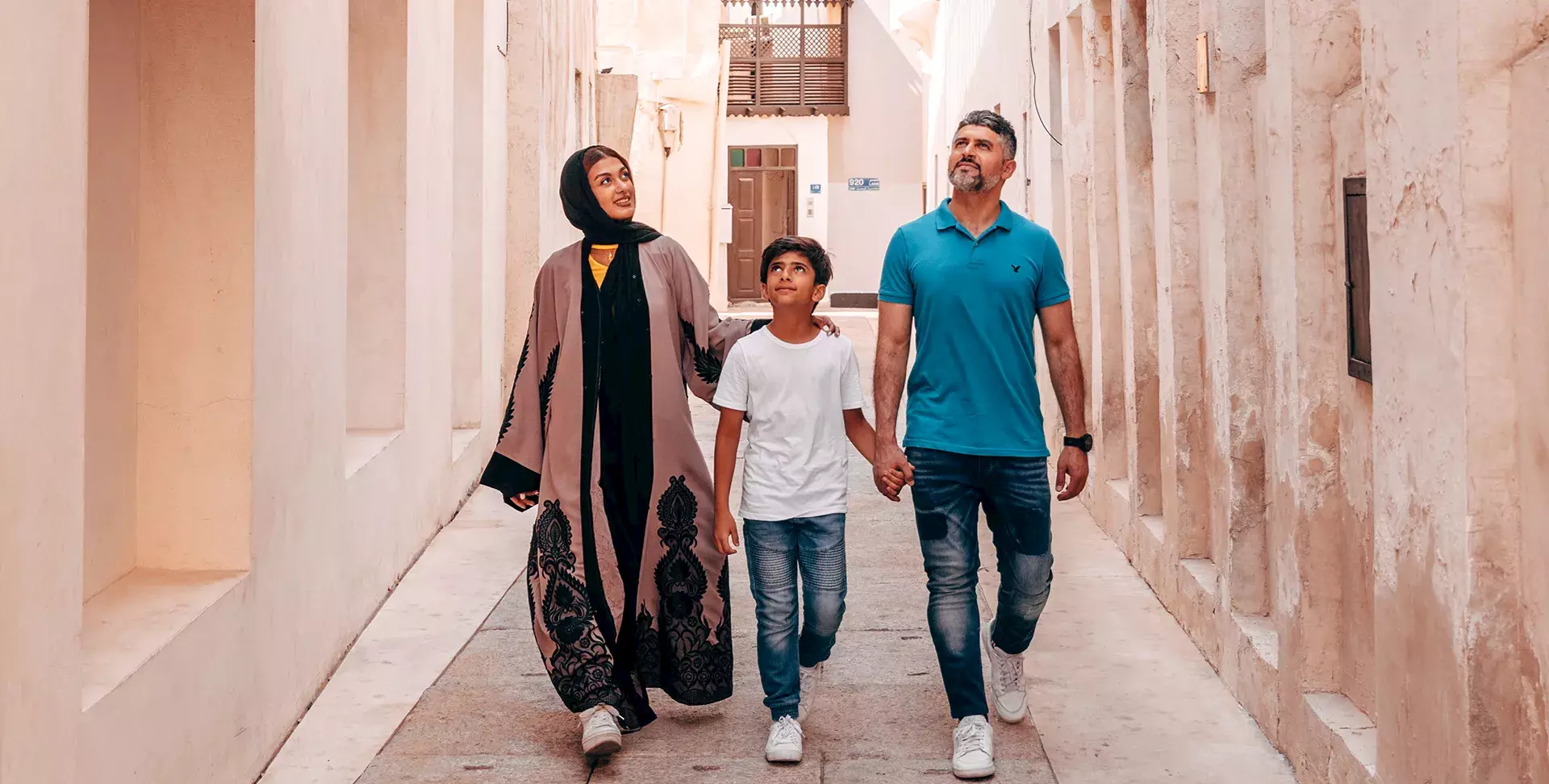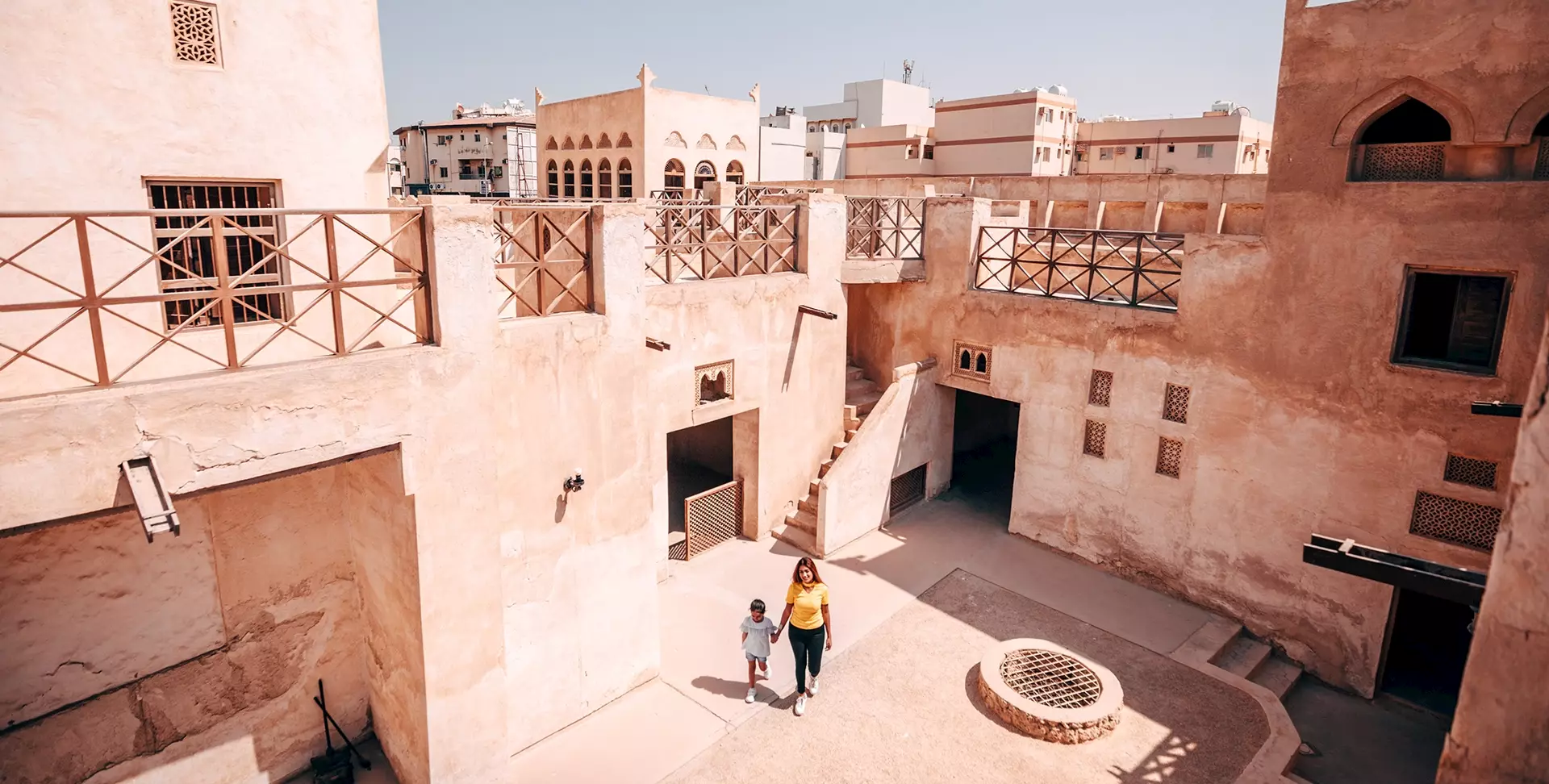
Muharraq, Bahrain’s former capital and one of its oldest cities, rewards those who explore it slowly. Across its compact historic centre, narrow lanes open onto courtyards, coral-stone houses, modest mosques and bold contemporary interventions, including the restored heritage buildings of the Shaikh Ebrahim bin Mohammed Al Khalifa Centre for Culture and Research. Much of this urban story is connected by the 3.5-kilometre Pearling Path, listed under the UNESCO World Heritage Sites, “Pearling, Testimony of an Island Economy”. Allow around three to four hours to follow this suggested route and discover how architecture records the city’s pearling wealth, social life and continuing revival.
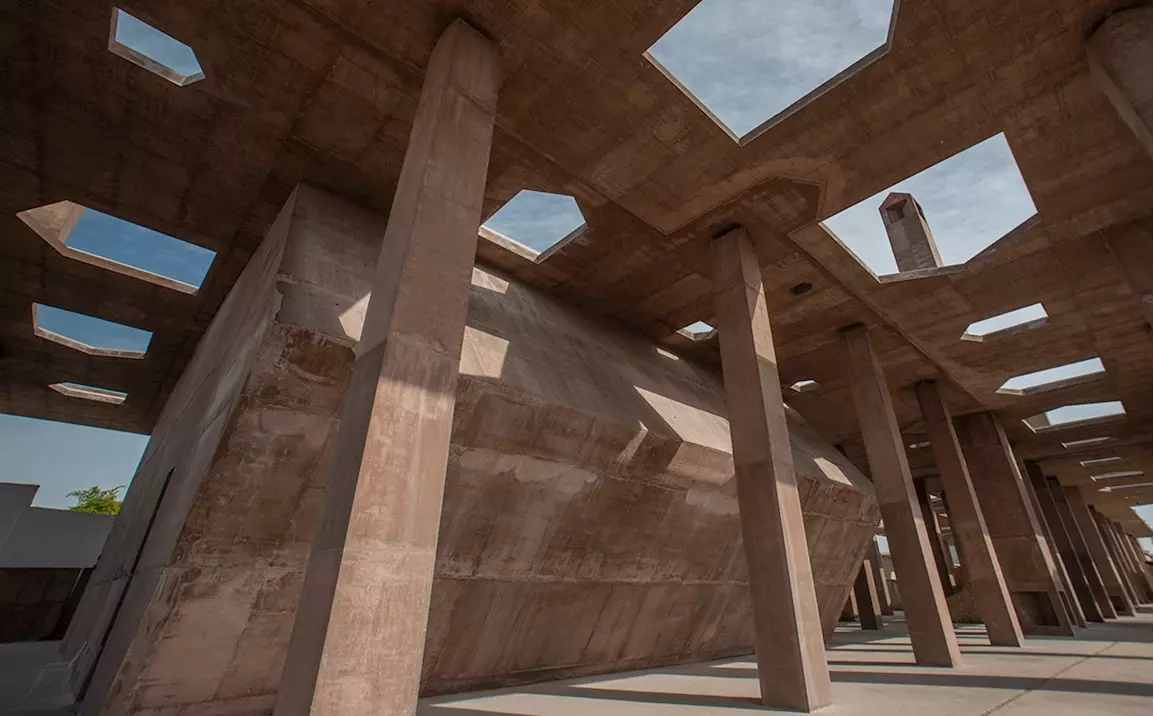
Begin at the Pearling Path Visitor and Experience Centre
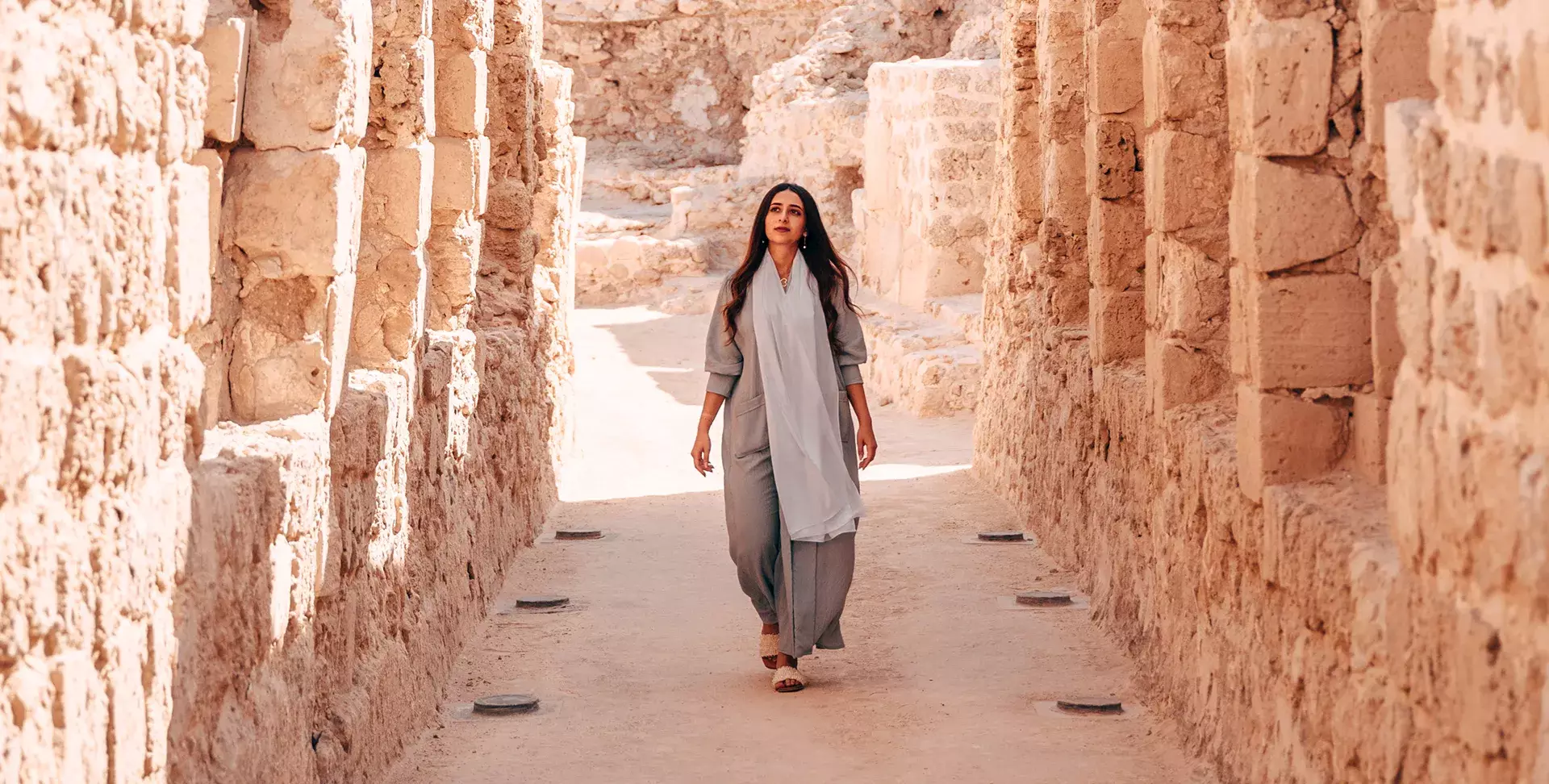
Start near Souq Al Qaysariyyah at the Pearling Path Visitor and Experience Centre. Designed by Valerio Olgiati Architects, the centre shelters the ruins of historic amarat, or warehouses, beneath a vast concrete roof. A forest of slender columns creates a striking rhythm, while 15 wind towers help cool the shaded public space. The contrast between archaeological remains and contemporary structure makes this an ideal introduction to Muharraq's layered architectural identity.
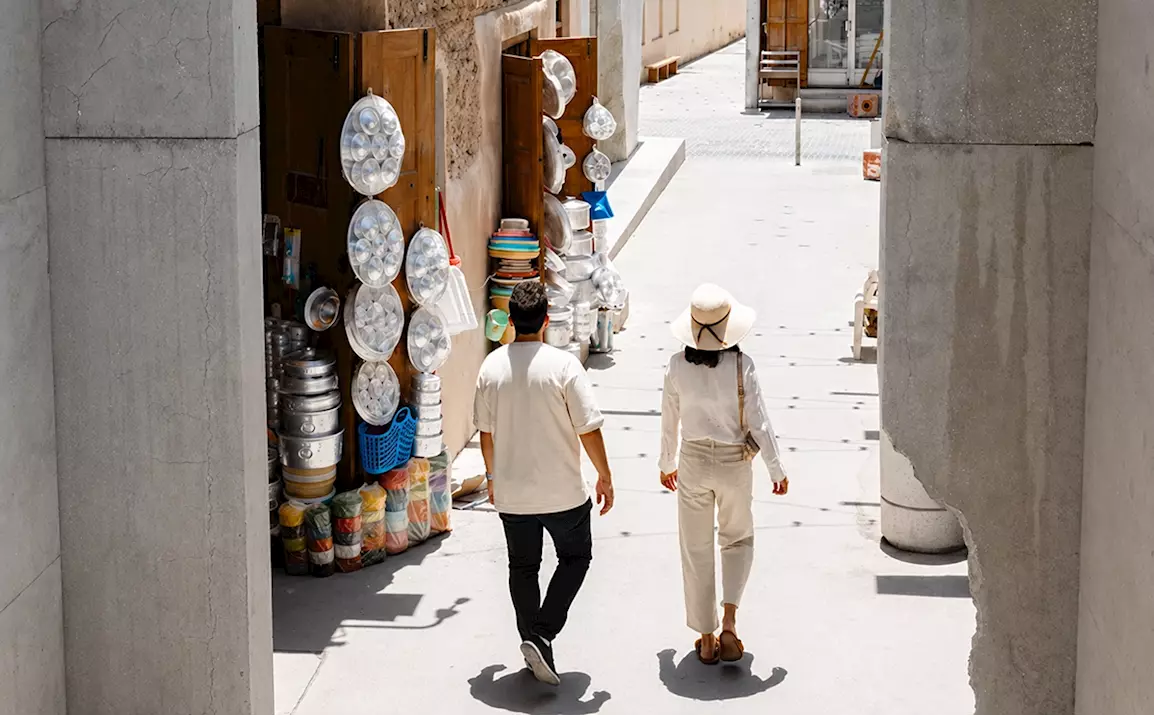
Wander through Souq Al Qaysariyyah
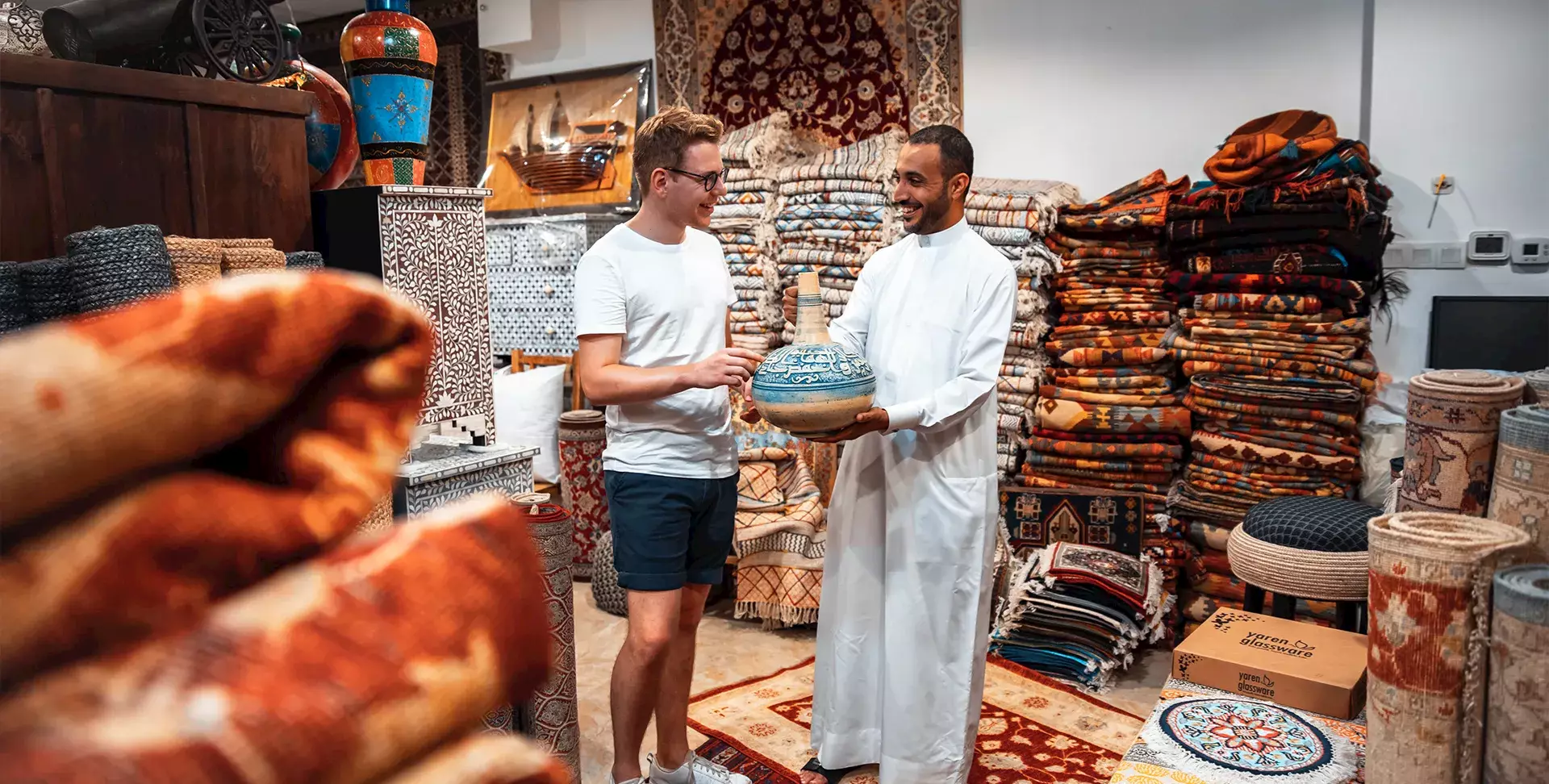
Continue into Souq Al Qaysariyyah, the oldest market area in Muharraq and once a port for goods moving between the island and Bahrain's main island. Look for the intimate scale of its traditional shops, along with carefully restored façades, repaved lanes and contemporary shading. Rather than recreating the past, the rehabilitation allows old commercial patterns to remain part of everyday city life.
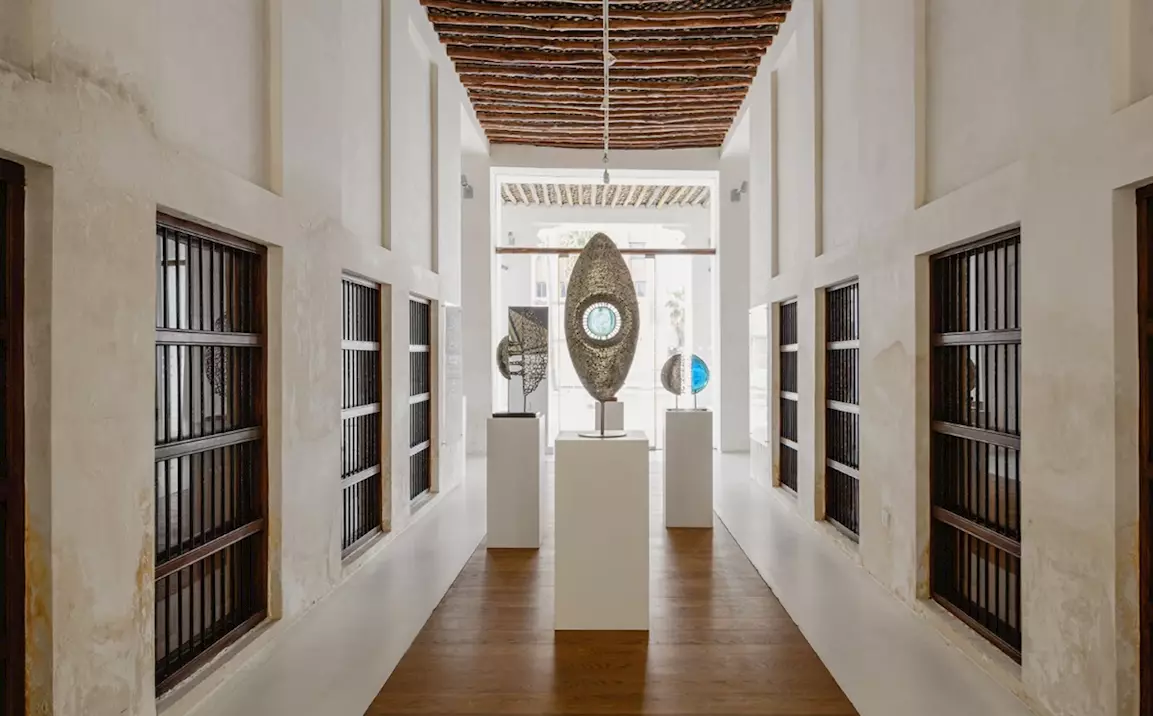
Pause at Memory of the Place, Bin Matar House
Walk towards Bin Matar House, the former home of pearl merchant Salman bin Matar. Its restoration preserved the character of a traditional Muharraq residence while adapting part of the building as an arts space. Step inside when open to notice how rooms gather around the heart of the house, and how thick walls, shaded openings and restrained decoration respond to climate, privacy and family life.
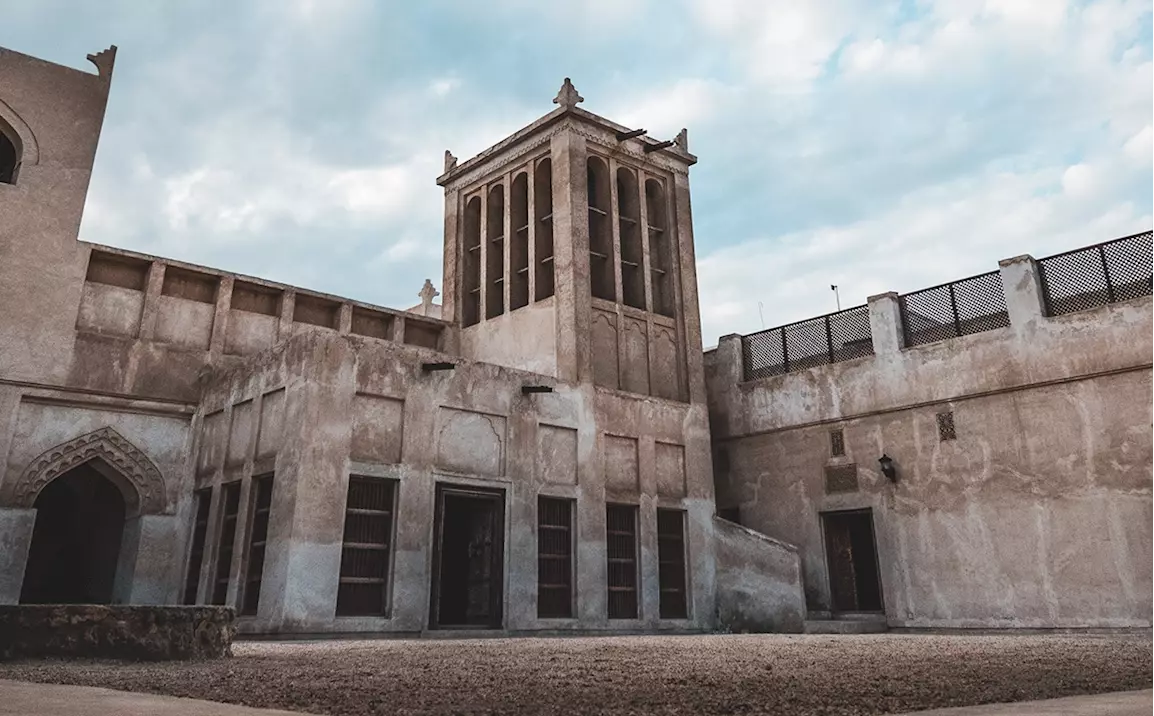
Admire Shaikh Isa bin Ali House
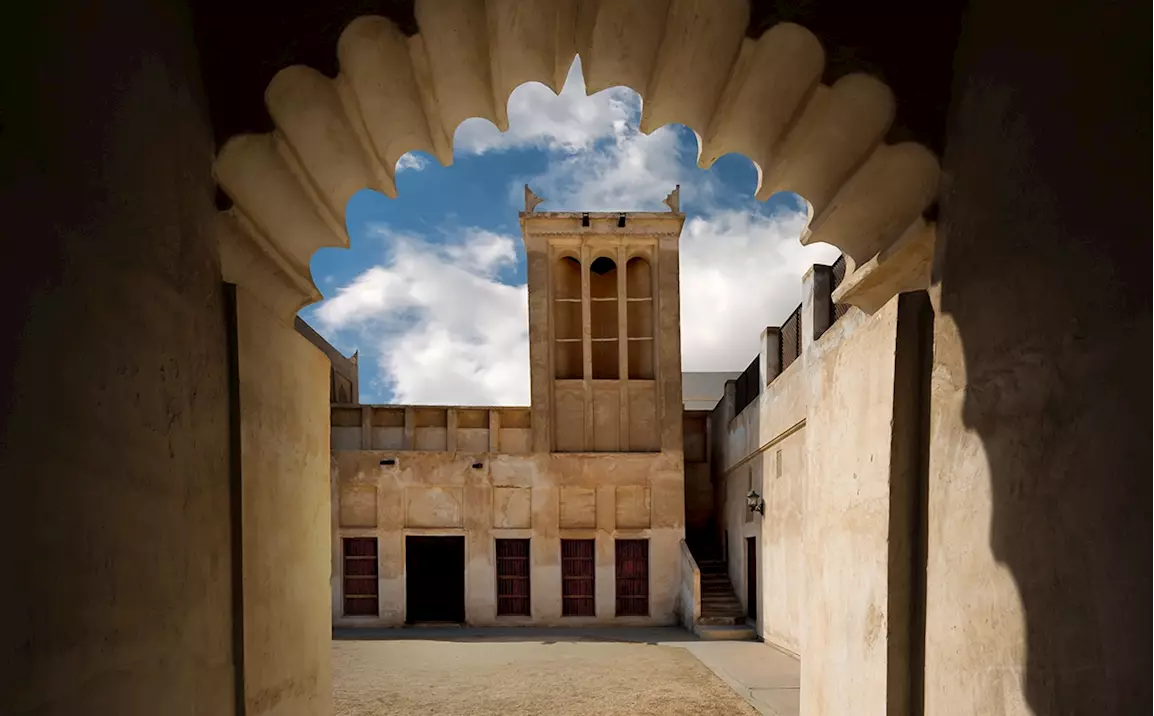
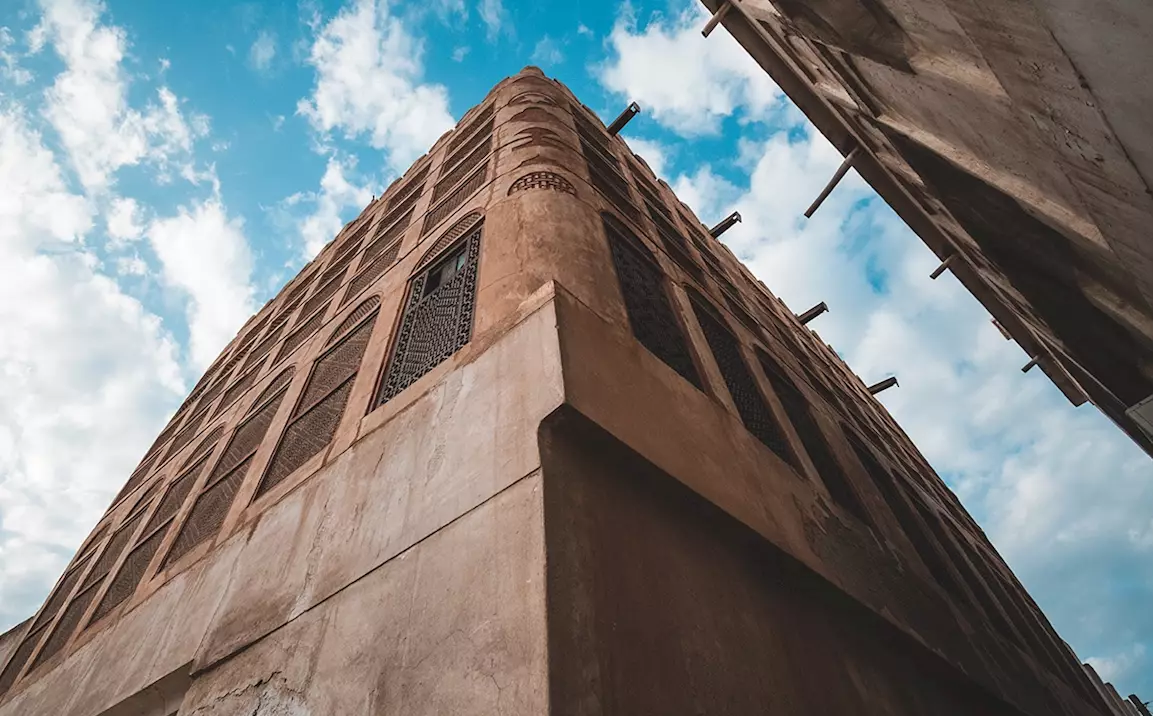
A short detour leads to Shaikh Isa bin Ali House, the former residence and seat of government of Shaikh Isa bin Ali Al Khalifa. The 19th-century complex is arranged around 4 courtyards and is known for its wind towers, carved wooden doors and perforated gypsum panels. The house is currently listed as closed for renovations, but its exterior and surrounding urban setting still add valuable context to the walk.
Follow the path north to the Siyadi complex
Continue north towards the Siyadi complex, created by one of Bahrain's leading pearl-merchant families. The ensemble includes Siyadi House, Siyadi Majlis and Siyadi Mosque. The majlis is the pearling era's only 4-level building, while the modest courtyard mosque, built in 1865 and revised in 1910, remains in use. Together, the buildings reveal how domestic life, hospitality, commerce and worship were closely connected.
Finish among the courtyards of the Murad complex
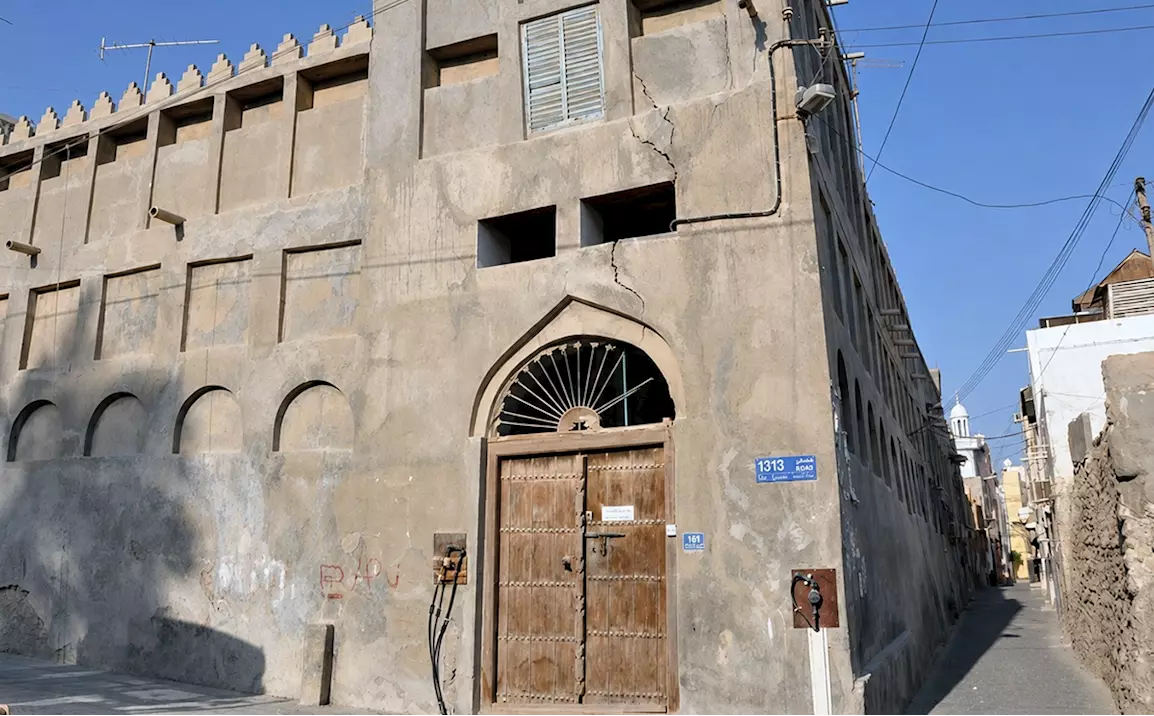
End at the Murad House and Murad Majlis, facing one another across a small public square. Built of coral stone, the house is a classic courtyard residence with spacious ground-floor rooms and upper roof terraces that once looked towards the sea. The separate majlis shows how pearl traders received guests and negotiated business away from the private family home. Even from the lanes, the relationship between house, majlis, mosque and square is easy to read.
Opening hours and access arrangements may vary. Check the latest timings for each attraction before setting out, and wear comfortable shoes for the walk through Muharraq’s historic lanes.