Marking the Beginning of Ramadan
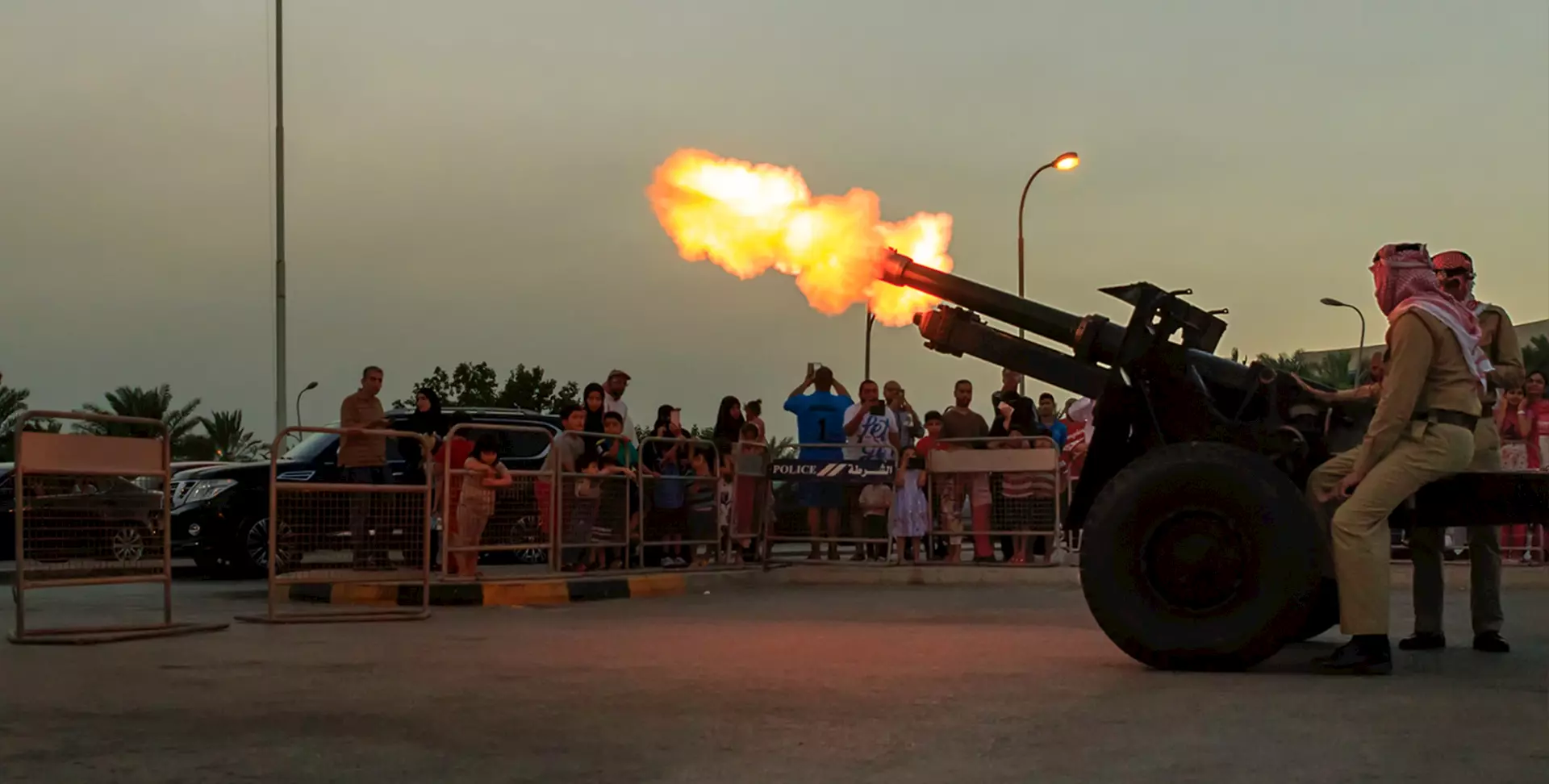
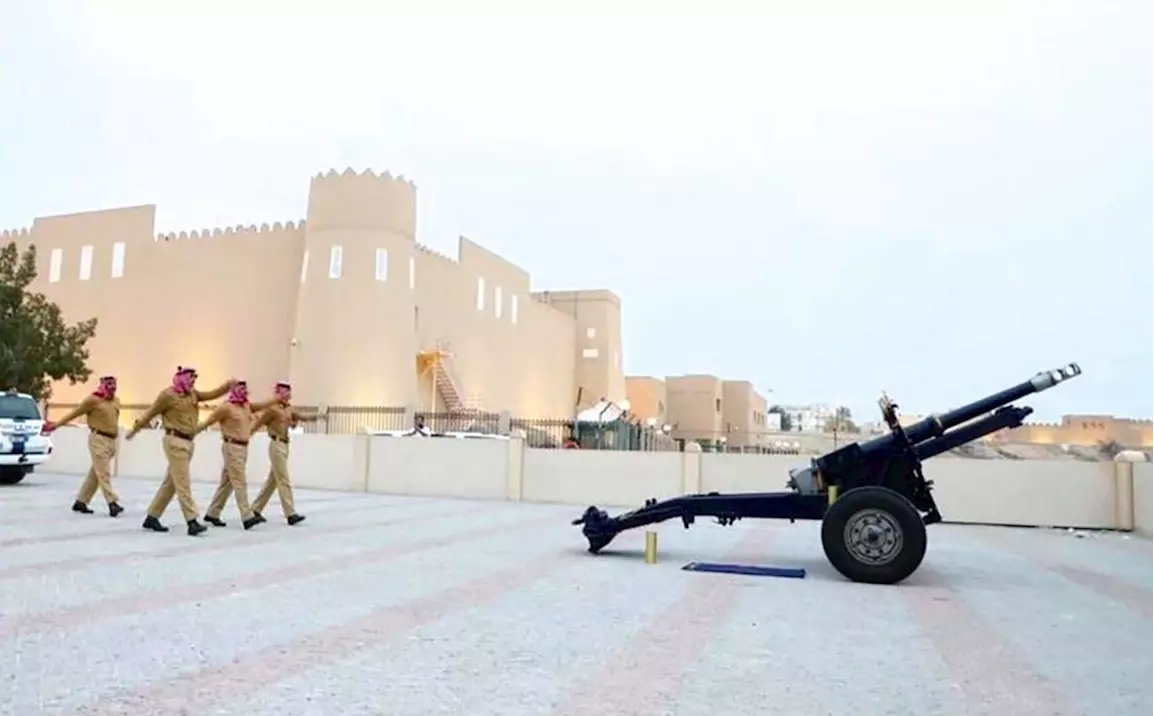
At the start of Ramadan, several cannon shots are fired in a joyful ceremony to mark the beginning of the blessed month, as people gather eagerly to witness this long-standing heritage tradition.
Origins of the Ramadan Cannon in Bahrain
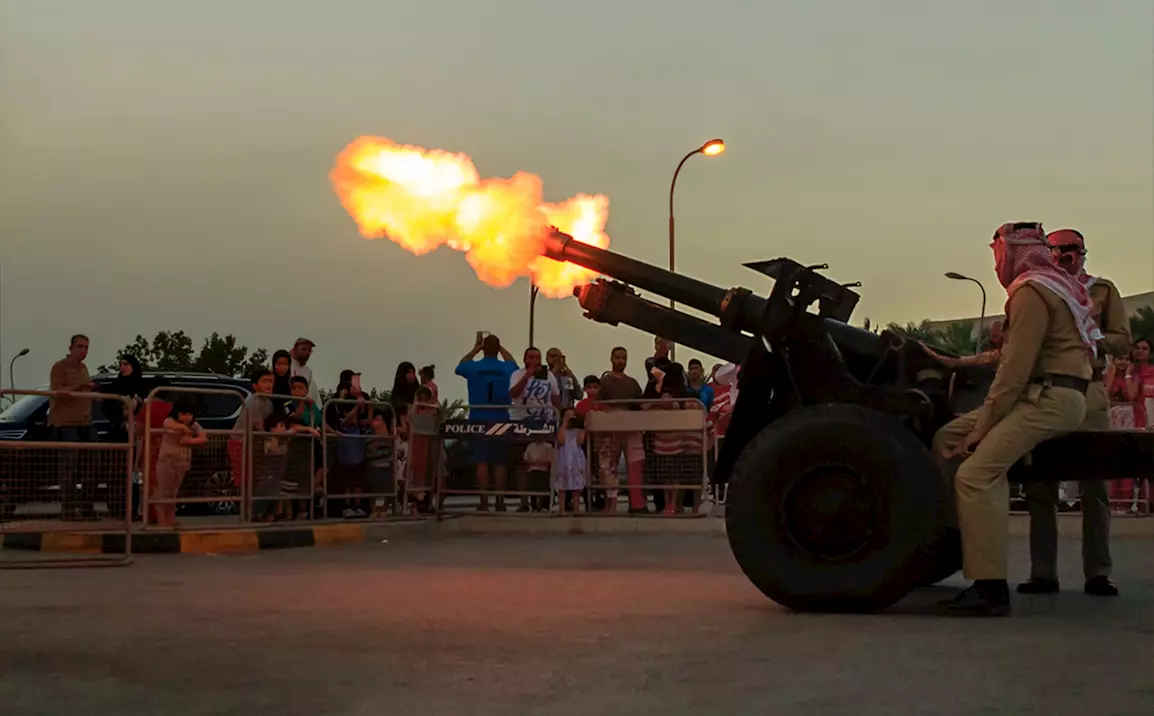
The history of the Ramadan cannon in Bahrain dates back to the 1930s, when it was first fired from its original location at Manama Port. Over time, additional firing locations were added, eventually covering all four governorates: the Capital, Muharraq, Northern, and Southern Governorates.
Cannon Firing Traditions
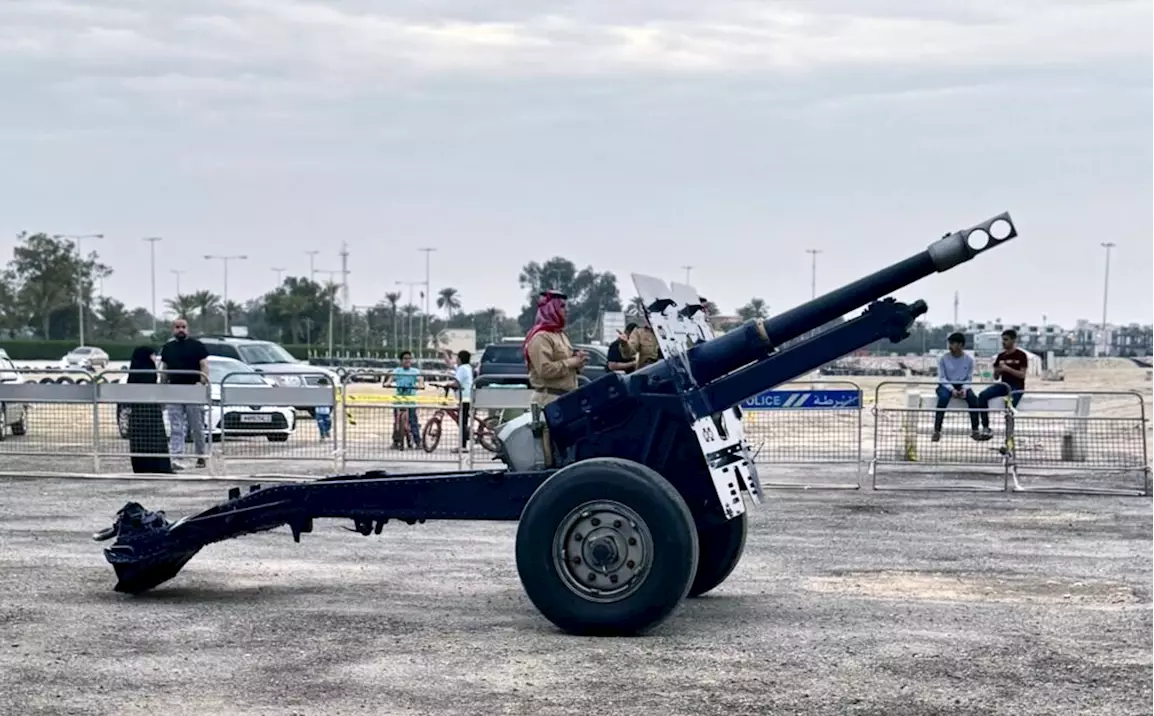
At the official announcement of the start of Ramadan, eight cannon shots are fired after the Maghrib prayer. During the holy month, a single shot is fired at iftar and another at imsak (the time to stop eating before dawn). Eight shots are also fired upon the confirmed sighting of the Eid crescent to mark the end of Ramadan, followed by another eight shots on Eid Al-Fitr in celebration of the occasion.
A Shared Arab and Islamic Heritage
This enduring tradition forms part of a shared cultural heritage across Arab and Islamic countries. While the practice has faded in several countries, Bahrain has preserved it, making it an integral part of Ramadan festivities today.
If you’re visiting Bahrain during the holy month, do not miss the chance to witness this unique tradition and share in the joy of one of the earliest celebrations marking the arrival of the blessed month.